In Pain? Call Caine
How to Document Evidence Needed for a Personal Injury Claim in FL

5 Min read
By: Caine Law
Share
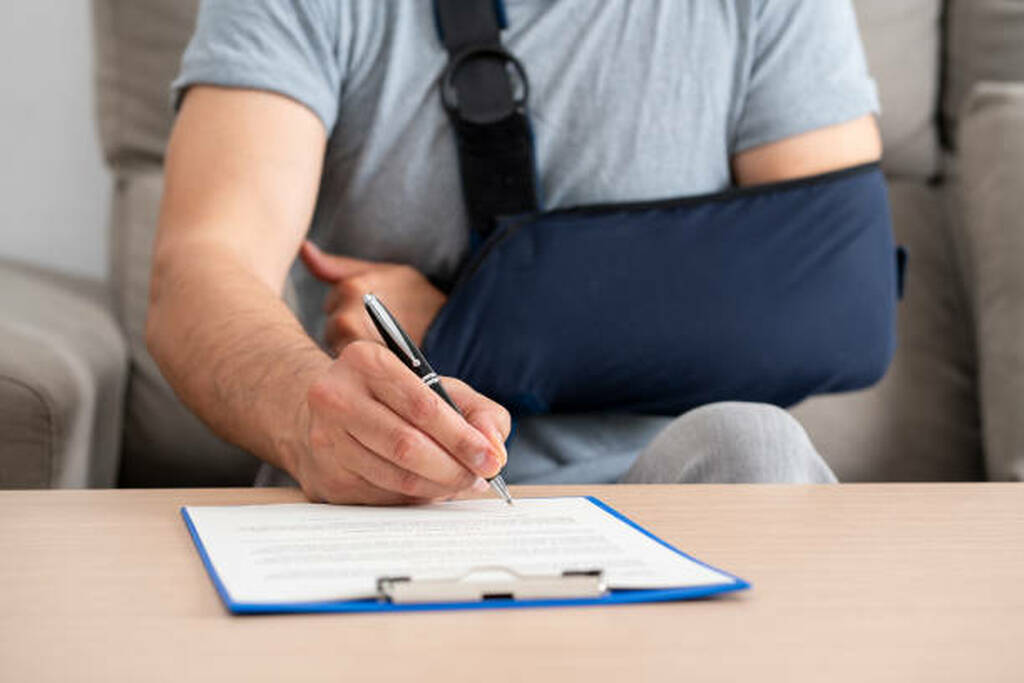
Getting injured in an accident can be overwhelming. You may experience pain, confusion, and frustration with how the situation unfolds afterward. Florida has long been recognized as one of the states with high motor vehicle accident rates. According to the Florida Department of Highway Safety and Motor Vehicles, there were over 400,000 traffic crashes in Florida in 2023, highlighting how common accidents are.
One of the most critical steps to protect yourself and your legal rights is carefully documenting your case. Having strong, organized evidence can significantly influence the outcome of your personal injury claim. Without proper documentation, even a valid claim could be undervalued or denied.
The process of gathering evidence and arguing your case is difficult without someone with experience to guide you. One of the best things accident victims can do is to involve us early in the process so we can help you set your case up for the best possible outcome.
Key Evidence Needed for a Personal Injury Claim
Photographic Evidence
Photos are worth a thousand words, and in personal injury claims, they can be worth even more. Take clear pictures of:
Your injuries: Include close-ups and full-body shots to show severity and location.
Accident scene: Capture road conditions, skid marks, traffic signs, lighting, and hazards.
Damaged property: Vehicles, personal belongings, or other affected items.
Use timestamps whenever possible. If you have a smartphone, it automatically records the date and time, which can help prove when and where the accident happened.
Medical Records and Bills
Medical documentation is the backbone of any personal injury claim. Keep everything organized and up to date. You should collect:
Doctor’s notes and diagnosis: Show the extent of your injuries.
Hospital and emergency room records: Include reports, imaging, lab results, and discharge summaries.
Medical bills and receipts: Document treatment costs, medications, physical therapy, and any follow-up care.
These records directly link your injury to the accident, proving your need for compensation.
Witness Statements
Witnesses can provide objective accounts of the accident. Their statements often add credibility to your claim.
Collect contact information immediately: Names, phone numbers, emails, and addresses.
Ask witnesses to write down what they saw: Ask them to be specific about details like the time, location, and events leading to the accident.
Consider recorded statements: With permission, brief video or audio statements can strengthen your case.
Witnesses can often confirm facts you may not remember clearly, making their testimony invaluable.
Police Reports
If the police respond to your accident, obtain a copy of their report. Police reports can include:
Officer observations and conclusions
Diagrams of the accident scene
Statements from involved parties and witnesses
Citations issued
These reports serve as official, unbiased documentation that can support your claim.
Accident Scene Notes
Even if you don’t have witnesses or a police report, taking your own detailed notes is critical. Include:
Date, time, and location of the accident
Weather and road conditions
A description of how the accident occurred
Any contributing factors (traffic signals, visibility, distractions)
Your notes help recreate the scene for your lawyer or adjuster and demonstrate that you are diligent and responsible.
Video Evidence
Video evidence can be a game-changer. Consider these sources:
Dashcam footage: If available, shows the accident in real time.
Security cameras: Nearby businesses or traffic cameras might have captured the event.
Smartphone video: Record a short clip of the accident scene, your injuries, or damaged property.
Videos provide a dynamic, visual record that photos or written accounts alone cannot fully capture.
Physical Evidence
Physical evidence can further support your claim. Examples include:
Broken vehicle parts or equipment involved in the accident
Damaged personal items
Clothing or footwear worn during the incident (especially if damaged or stained)
Keep these items in a safe place, as they may be inspected during the claims process.
How to Keep Track of Everything After Your Injury
Collecting evidence is only part of the process. You also need a system to track and organize it. Staying organized makes your claim much easier to manage and increases your credibility with insurance companies or the court.
Keep a Journal
Writing down events as they happen can capture details you may forget later. Include:
How the injury affects your daily life
Changes in your physical or mental condition
Notes on any pain, discomfort, or emotional distress
A journal provides a personal, first-hand account of your recovery journey, supporting claims for pain and suffering.
Track Your Symptoms and Pain
Documenting your symptoms is essential. Include:
Pain intensity and location
Times when symptoms worsen
Treatments or medications used and their effects
Physical limitations or activities you cannot perform
Consistency in tracking helps show the severity and ongoing impact of your injuries.
Save Correspondence with the Insurance Company
Keep copies of all emails, letters, and messages. Include:
Notes from phone calls with dates and times
Written offers or settlement proposals
Requests for medical documentation or evidence
Organized correspondence demonstrates your diligence and ensures you don’t miss deadlines or important communications.
Keep Receipts for Related Expenses
Accidents can create unexpected costs. Track:
Medical expenses not covered by insurance
Transportation to doctor’s appointments
Home modifications or special equipment
Lost wages or childcare costs
Receipts and invoices provide tangible proof of financial losses caused by the accident, which may be reimbursed in your claim.
Protect Your Rights by Consulting an Injury Lawyer in FL
Even with thorough documentation, navigating a personal injury claim can be complicated. Florida’s legal system has strict deadlines, known as statutes of limitations, that can impact your ability to file a claim. An experienced injury lawyer can help you:
Identify all necessary evidence for your specific case
Organize and present your evidence effectively
Communicate with insurance companies to prevent unfair settlements
Maximize compensation for medical bills, lost wages, and pain and suffering
Having a trusted attorney ensures you are not navigating this process alone and protects your rights every step of the way.
Injured and in Pain in FL? Call Caine Law!
At Caine Law, we have dedicated over 20 years to advocating for accident victims, building a reputation as leaders in personal injury law. With more than $100 million recovered for our clients, we have a proven record of taking on insurance providers and securing substantial results. Our depth of experience allows us to handle even the most complex cases with strategic insight and precision.
We proudly serve Miami and the surrounding areas. Call us today for a free consultation at 786-206-8726. Time is critical when protecting your rights and building a strong personal injury case, and our team is prepared to guide you every step of the way with confidence, expertise, and a focus on achieving the best possible outcome.